Lumina Drive

Year
2025
Category
App Design
Expertise
Lead Designer, UI Design
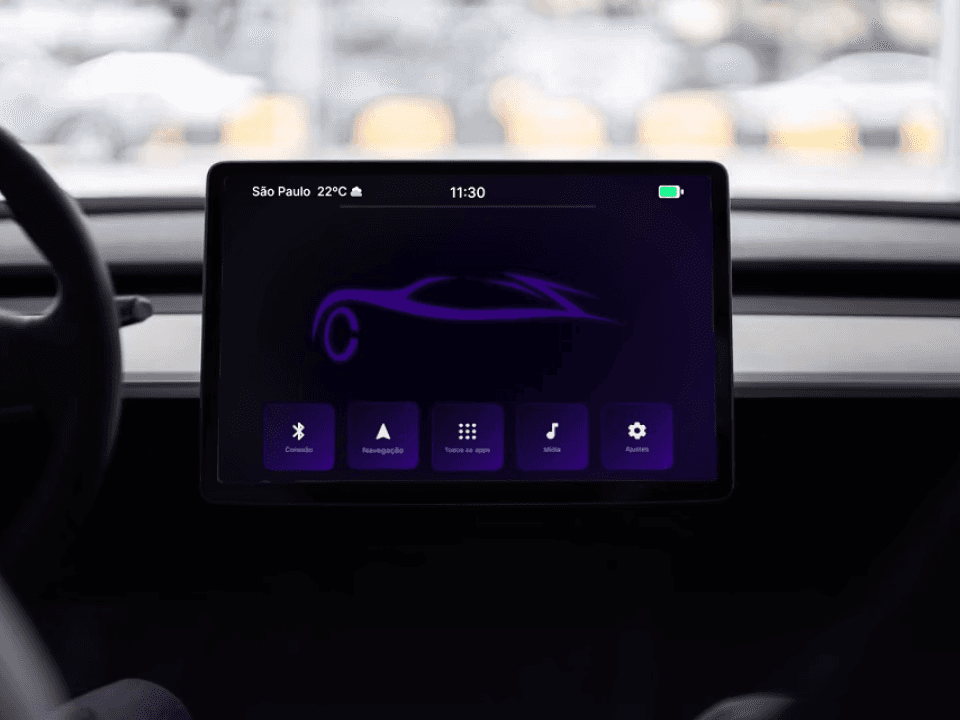
Automotive infotainment system experience study project focused on practicality, intuitiveness, and customization.
Introduction
This case documents the study and product development process focused on user experience with automotive infotainment systems (multimedia center). I worked as a UX/UI designer within a squad, navigating the project from immersion, research, definition, to delivery.
Current Scenario
Initially, studies were conducted to understand the case, the automotive infotainment systems market, trends, and current user experiences to define potential problems.
It was determined that:
Modern infotainment systems demand a lot of driver attention during driving, which increases cognitive load and can cause distractions behind the wheel.
Challenge
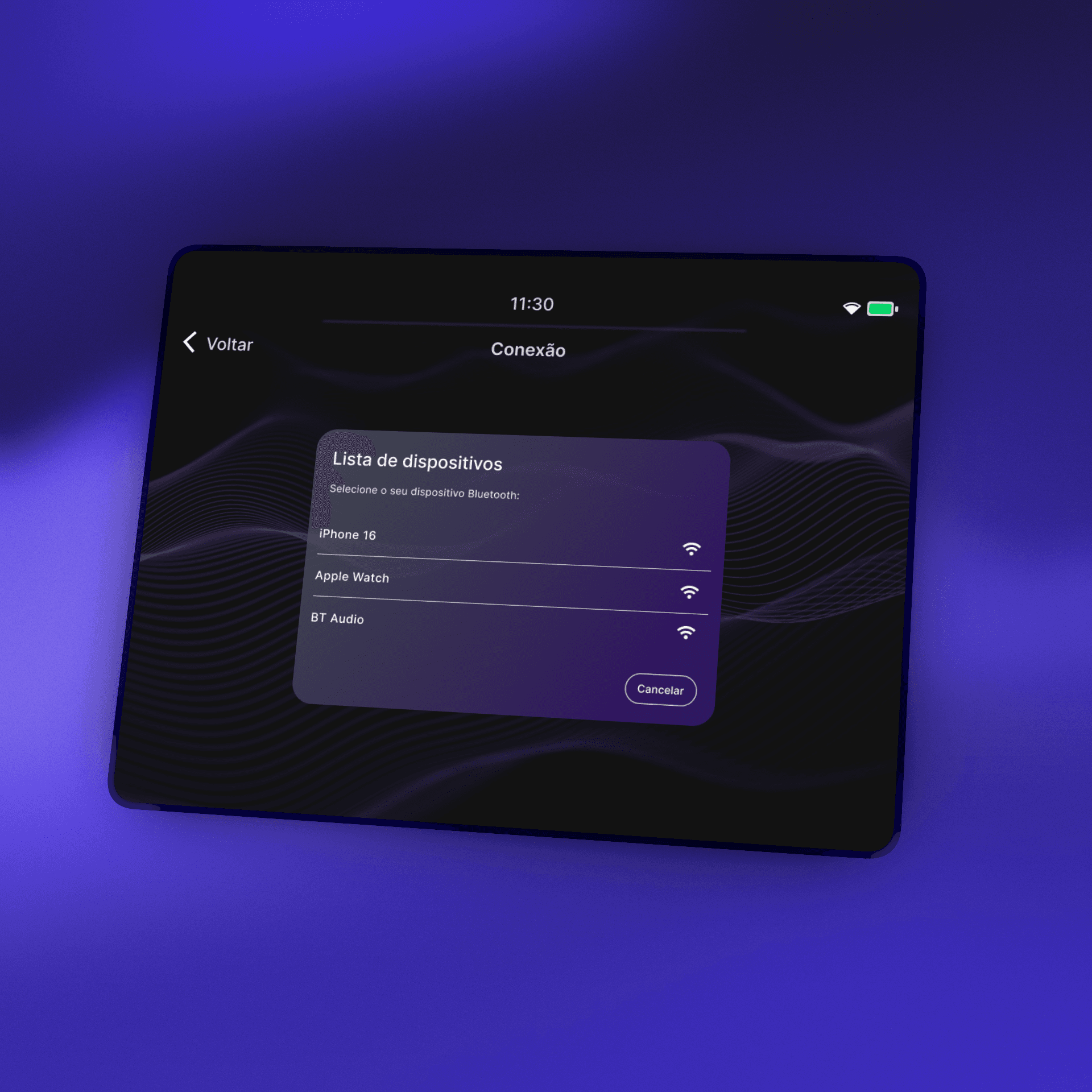
To develop a system focused on optimizing the pairing process, promoting smoother connectivity, with the unique advantage of customizing preferences according to the user
Painpoints

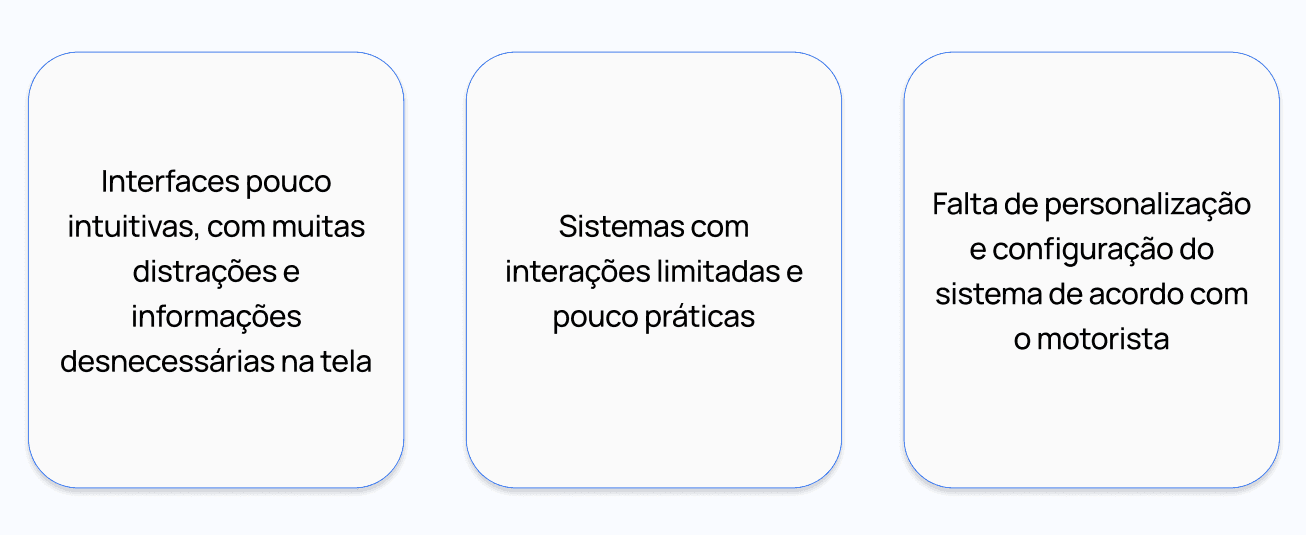
Interfaces that are not very intuitive, with too many distractions and unnecessary information on the screen
Systems with limited and impractical interactions
Lack of customization and system configuration tailored to the driver
Design Process
Following the Lean User Centered Design process, we divided the project into 4 major deliverables:

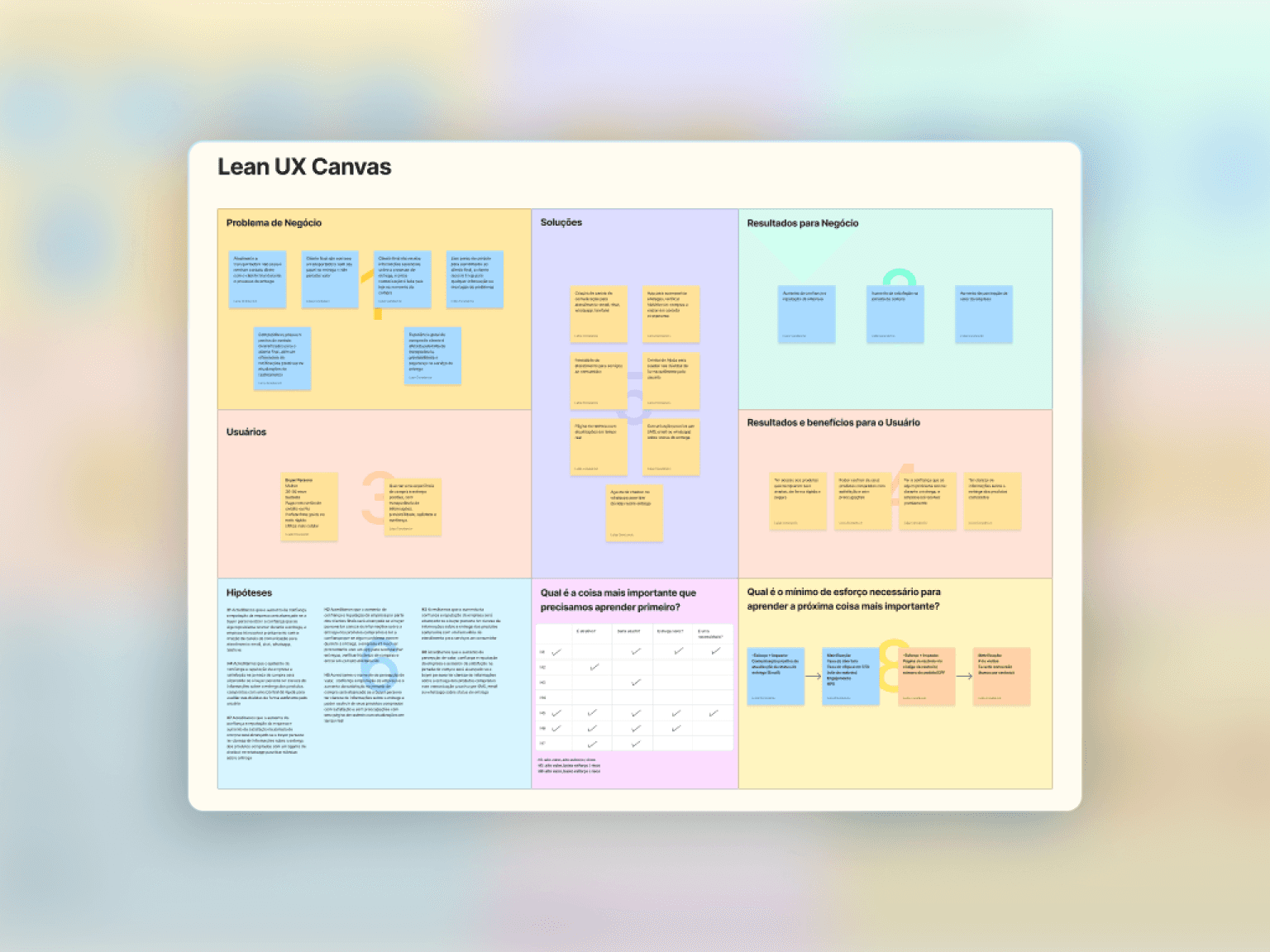
Research: This stage involves conducting research and market data analysis. We understand user profiles, pain points, and create proto-personas.
Requirements Definition: This stage involves analyzing research data to define user needs, system functional requirements, and prioritizing what has been defined according to the profile.
Structuring: This stage involves creating a User Task Flow according to the main requirement defined.
Prototyping: This stage involves developing low, medium, and high fidelity prototypes of the product, following the determined task flow with Sketchframe, Wireframes, and a clickable prototype with simple interactions on Figma.
Understanding the Theme
For this project, it was necessary to deepen the study of the theme with secondary research and organize the main certainties, assumptions, and raised questions from the results.
Based on Desk Research, it was possible to identify:
Infotainment systems evolve rapidly, but still face the challenge of balancing technology, safety, and usability.
Complex interfaces can distract the driver and compromise the experience.
At the same time, the expansion of electric and automated cars creates new market opportunities, such as embedded advertising and content.
Understanding the User
After research and the development of a CSD Matrix, a main proto-persona was defined for the ideal user profile of a system. An empathy map was also developed, complementing interviews, to create empathy with the defined user, exploring their needs, desires, thoughts, and feelings.
Proto-persona

Empathy Map

Solution
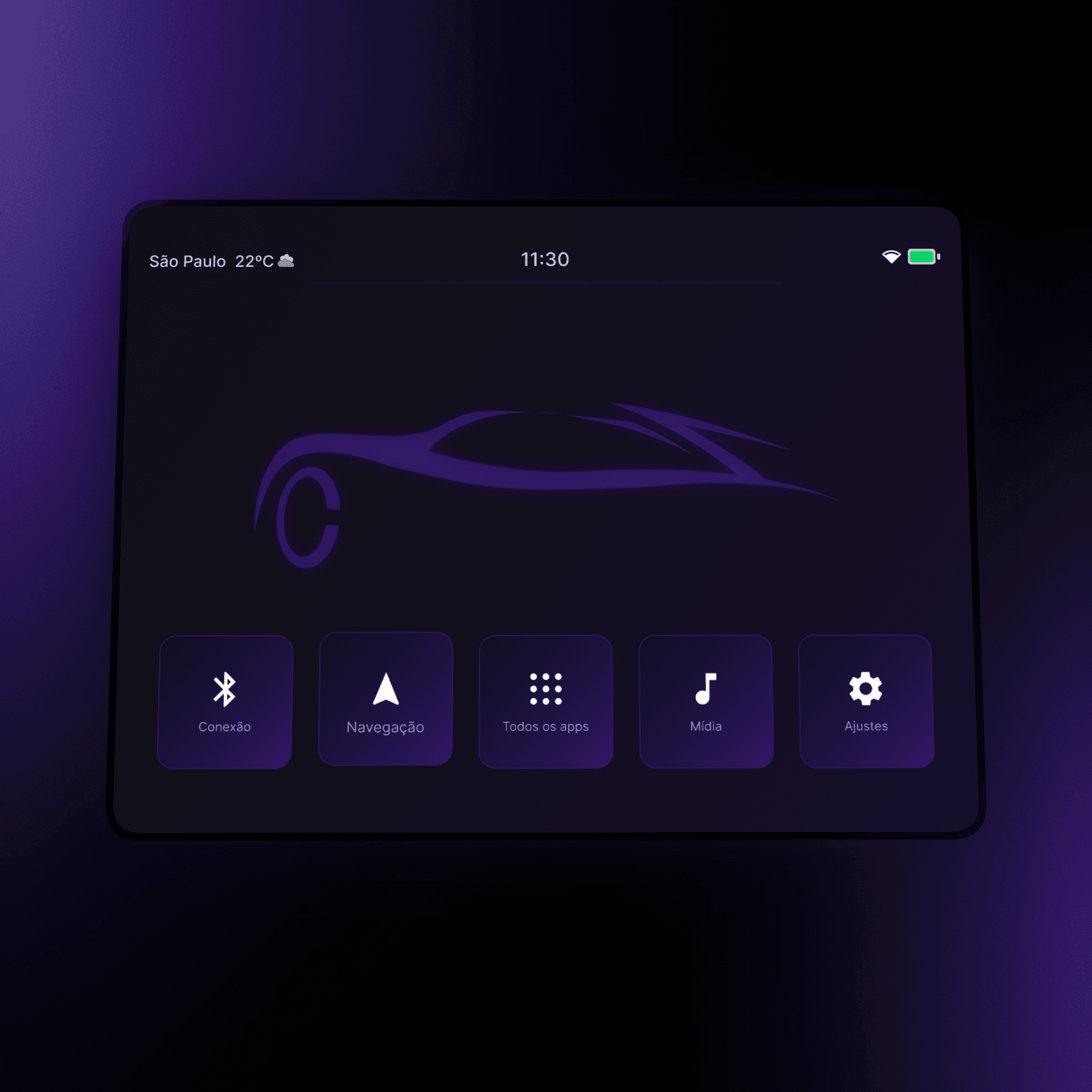
From the user analysis, it was possible to translate the users' needs into the functionalities of the product to be developed, define which functional requirements are most important to implement, and, through prioritization, develop a user task flow that meets their main needs.
User Requirements ⮕ Functional Requirements

User Requirements | Functional Requirements |
|---|---|
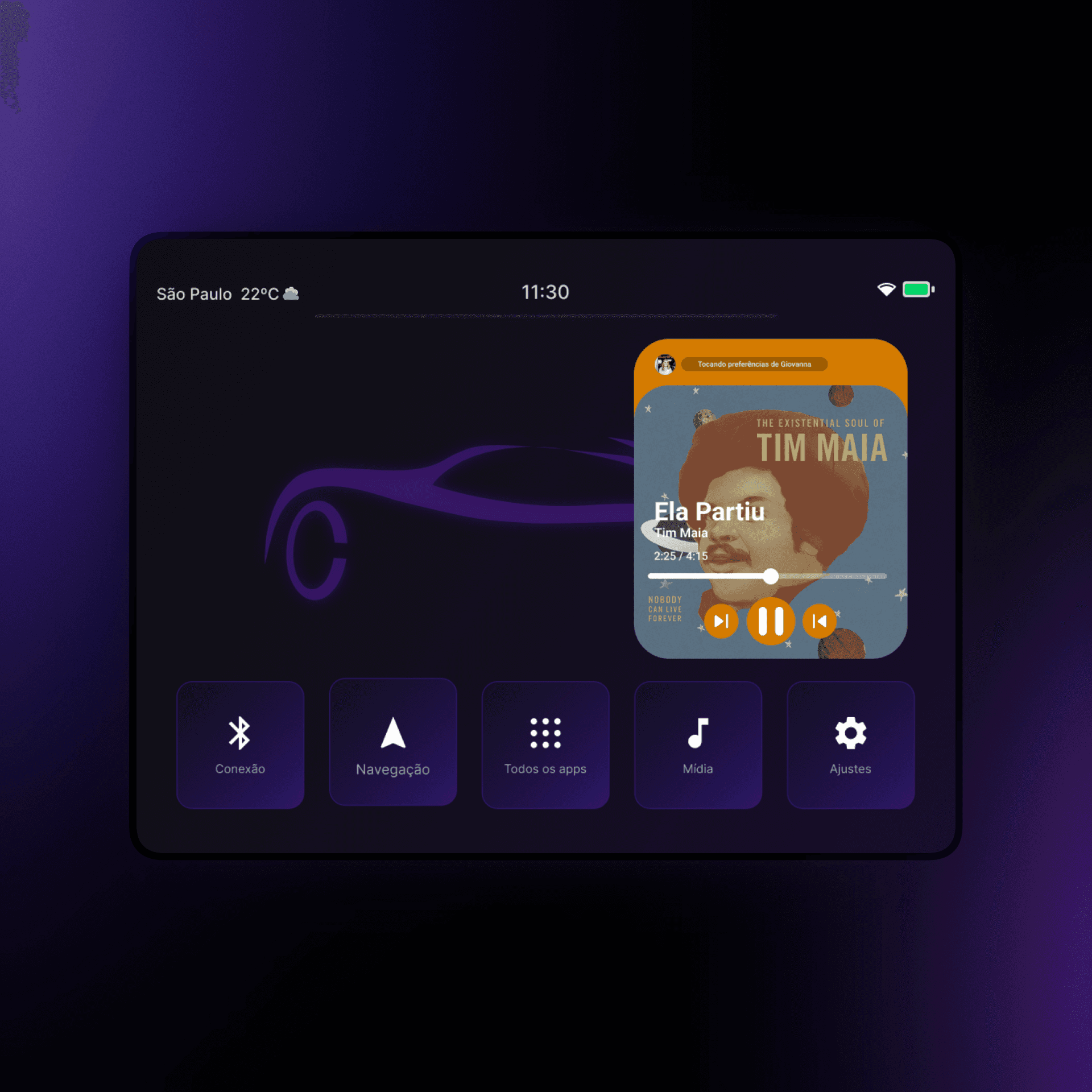
Low distraction, low cognitive load, practical and intuitive interface | Simplified interface, minimal touches, and limited visual interaction |
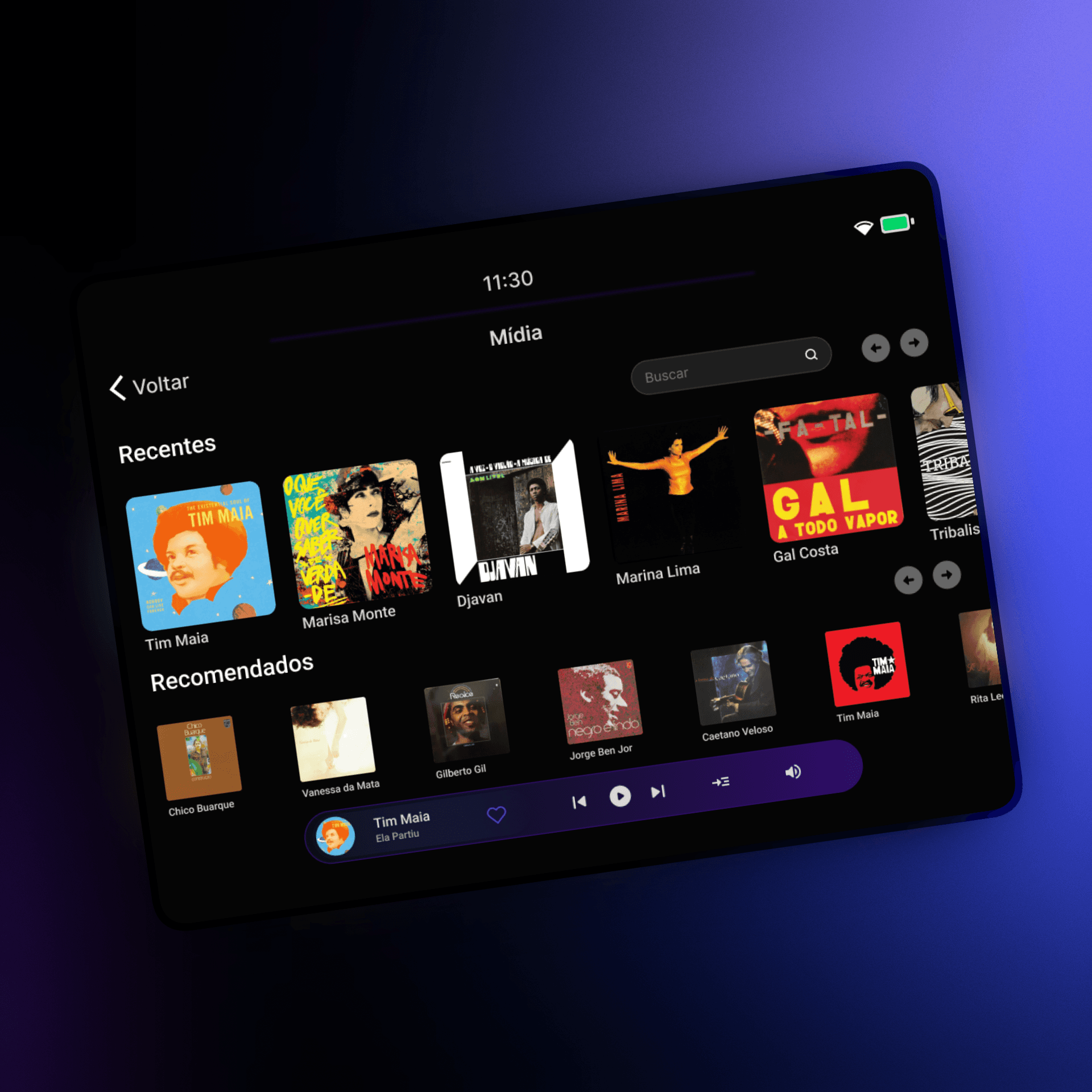
Listen to favorite media with minimal effort | Connection to an audio player with a continuous playlist based on user preferences |
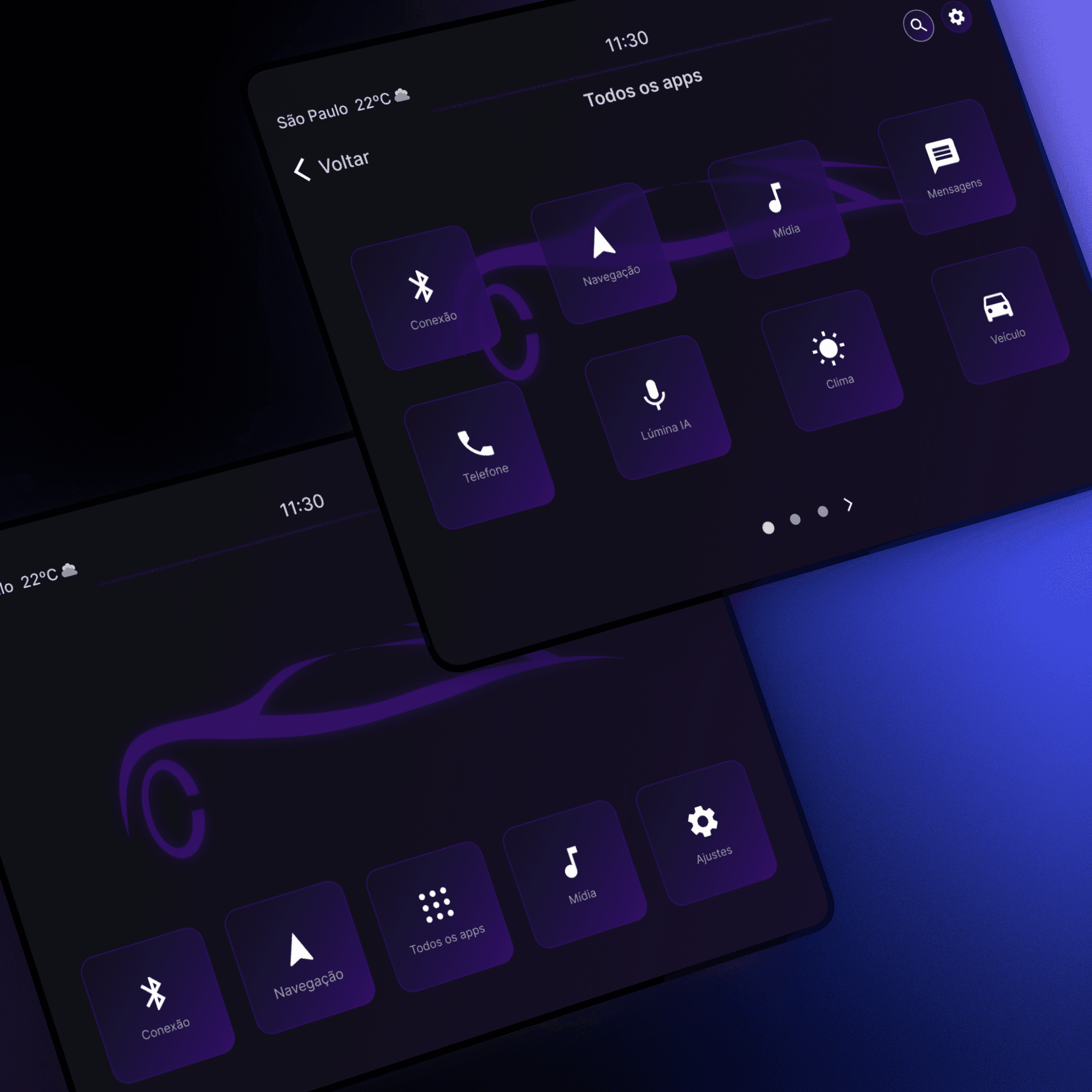
After completing the requirements definition stage, we began to design the solution for the proposed problems. For this, we created a task flow with screen interactions until we reached the navigable prototype that was presented.
Project Delivery - Interactive Prototype
Learnings
I developed a UX mindset, learning the Lean UCD process in practice by participating in all stages of product development;
I understood the importance of conducting research to understand the target user, guiding the design based on concrete data.
I learned to translate the user's needs into product features.
Next Steps
Prototype usability testing with users
Application of user experience evaluation
Analysis of testing data to understand results
Iteration of stages in the Design process


Poket